

Discovering a stain on your ceiling or a soft spot in your flooring months after the damage actually began can feel like a gut punch, especially when you start wondering who should have caught it sooner. Hidden property damage raises tricky questions about responsibility, whether you are a homeowner, a landlord, a tenant, or a buyer who just closed on a house. The answer often depends on who had access, who had a duty to inspect, and what each party reasonably should have known at the time. Understanding the basic rules around liability can help you protect yourself financially and know exactly what steps to take next.
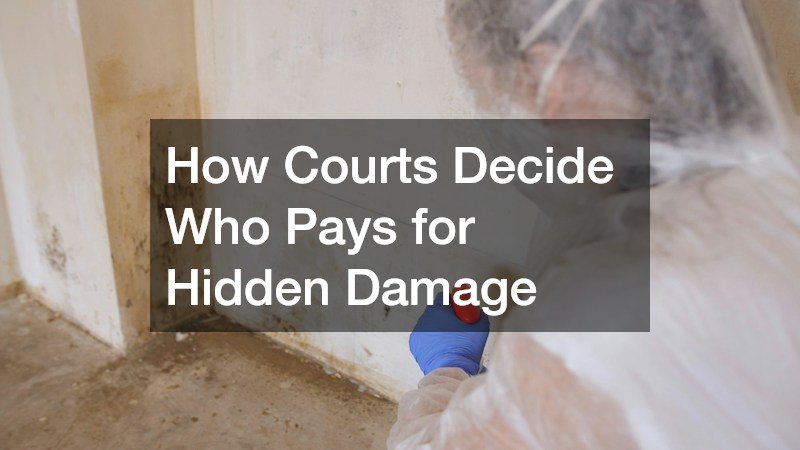
How Courts Decide Who Pays for Hidden Damage
Liability for undetected property damage usually comes down to a legal concept called “reasonable knowledge” or “constructive notice.” This means a person or company can be held responsible not just for damage they actually knew about, but for damage they reasonably should have discovered through ordinary care. Courts look at factors like how long the problem existed, whether warning signs were visible, and whether the responsible party had a documented history of inspections.
In practice, this means the burden often falls on whoever had both the opportunity and the obligation to check for problems. A landlord who never inspected a rental unit for years may be found negligent, while a tenant who never reported a visible leak may share some of the blame. The specifics shift depending on state law, lease terms, and the type of property involved.
- Constructive notice assumes a reasonable person would have noticed the issue
- Actual notice means someone was directly told or saw the damage firsthand
- Documentation of past inspections can strengthen or weaken a liability claim
- Statutes of limitations may limit how long after discovery a claim can be filed
Landlord and Tenant Duties for Rental Properties
Rental properties create a unique dynamic because two parties share responsibility for the same space. Landlords generally have a legal duty to maintain habitable conditions and address known problems promptly, while tenants are expected to report issues they notice and avoid causing damage through neglect. When damage is hidden behind walls or under flooring, the question becomes whether the landlord had enough notice to act before the problem worsened.
Lease agreements often spell out exactly who is responsible for routine maintenance versus emergency repairs. A tenant who never mentions a slow drip under the sink, for example, may bear some responsibility if mold develops over several months. On the other hand, if a landlord ignored repeated complaints, the liability shifts heavily in the tenant’s favor.
- Review your lease for maintenance and repair clauses before signing
- Report any signs of moisture, odors, or structural changes immediately
- Keep written records of all maintenance requests and landlord responses
- Understand your state’s habitability laws, which vary significantly
Home Sellers, Buyers, and Disclosure Obligations
When property changes hands, disclosure laws require sellers to reveal known defects, but they are not always required to uncover hidden problems through invasive testing. This creates a gray area for damage that was never visible during a standard walkthrough or home inspection. Buyers who later discover issues like a hidden slab leak or long-term water intrusion often need to prove the seller actually knew about the problem and failed to disclose it.
A thorough pre-purchase inspection is one of the best tools for catching issues before closing, but inspectors cannot see inside walls or underground pipes without special equipment. This is where professional leak detection services become valuable, since they use acoustic sensors, thermal imaging, and pressure testing to identify moisture problems that a visual inspection would miss entirely. Buyers who skip this step sometimes have a harder time proving the seller was at fault later.
- Request seller disclosure forms and read them carefully before closing
- Hire an independent inspector rather than relying on the seller’s report
- Ask about any history of water damage, pest issues, or past repairs
- Consider specialized testing for older homes with aging plumbing or roofing’

Plumbing Systems and the Risk of Slow Leaks
Plumbing problems are among the most common sources of hidden property damage because pipes run behind walls, under slabs, and beneath flooring where nobody looks on a daily basis. A slow leak can go unnoticed for months, gradually weakening structural materials and promoting mold growth long before a stain ever appears. Responsibility often hinges on whether the homeowner or property manager performed any routine maintenance that might have caught the issue earlier.
Regular drain cleaning is one of the simplest preventive steps a homeowner can take, since clogged or slow-draining pipes put extra pressure on joints and connections that can eventually fail. Skipping this kind of basic upkeep can later be used as evidence of negligence if a dispute over damage ends up in court or insurance arbitration. Keeping maintenance records, even for routine tasks, gives you a paper trail that supports your case if something goes wrong.
- Schedule routine plumbing maintenance at least once a year
- Watch for slow drains, gurgling pipes, or unexplained water bills
- Keep receipts and service records as proof of due diligence
- Address small leaks immediately rather than waiting for visible damage
Roof and Attic Damage That Stays Hidden for Years
Roofing issues are notorious for staying hidden until they cause significant interior damage, since a small leak at the roofline can travel along rafters and insulation before ever showing up as a ceiling stain. Homeowners are generally expected to schedule periodic roof inspections, especially after major storms, and failing to do so can weaken their position if damage is later discovered. Insurance companies often examine maintenance history closely when deciding whether to approve a claim for water damage tied to roof failure.
Working with licensed roofing contractors for annual inspections can catch cracked flashing, missing shingles, or deteriorating seals before they lead to costly interior repairs. These professionals can also provide documentation that proves you took reasonable steps to maintain the property, which matters if a dispute arises with an insurer, buyer, or tenant. Waiting until a leak becomes visible usually means the damage has already spread further than most people realize.
- Inspect your roof after major storms or at least once a year
- Look for granule loss, curling shingles, or sagging areas
- Check your attic periodically for moisture, staining, or mold
- Keep professional inspection reports on file for insurance purposes
Undetected property damage rarely has a simple answer when it comes to legal responsibility, since so much depends on who knew what and when. The best protection is a combination of regular inspections, clear documentation, and prompt action whenever something seems off. If you are currently dealing with a dispute or just want to avoid one in the future, start by reviewing your maintenance records and scheduling a professional inspection for the systems most likely to hide problems.
